Facing each other II

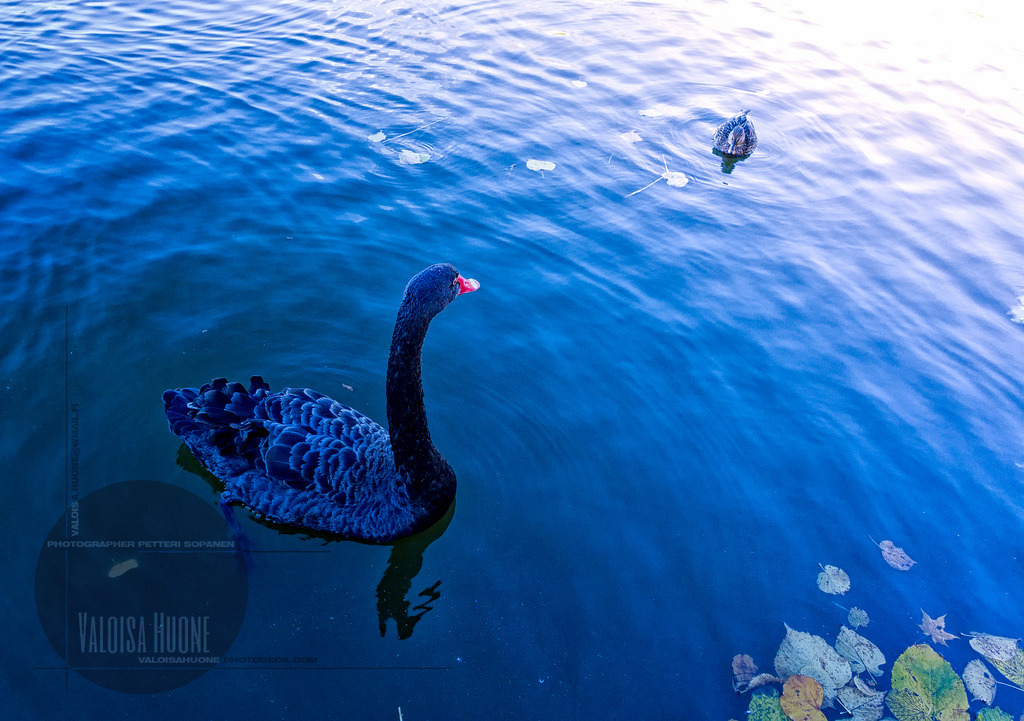
Is this straing contest the battle of souls, who is The King of Park? Or are they just curious?

I don’t know, but for a moment before this I was squatted on the bank of the pond waiting for the black swan slowly swimming towards me, waiting for him to appear at pre-focused distance. And it looked like he was more curious than aggressive – he wasn’t hissing and had wings folded. (And yes, these big birds really can be aggressive – it’s not unusual that their fights for territories end to death of the loser.)

But then swan noticed the mallard nearby and the other bird pulled his attention. Or maybe he just noticed that I didn’t look like I guy who would feed him…

Anyway, thanks to this shift of his focus the image I got appeared better that the one I was expecting.

British Bronze and Steel

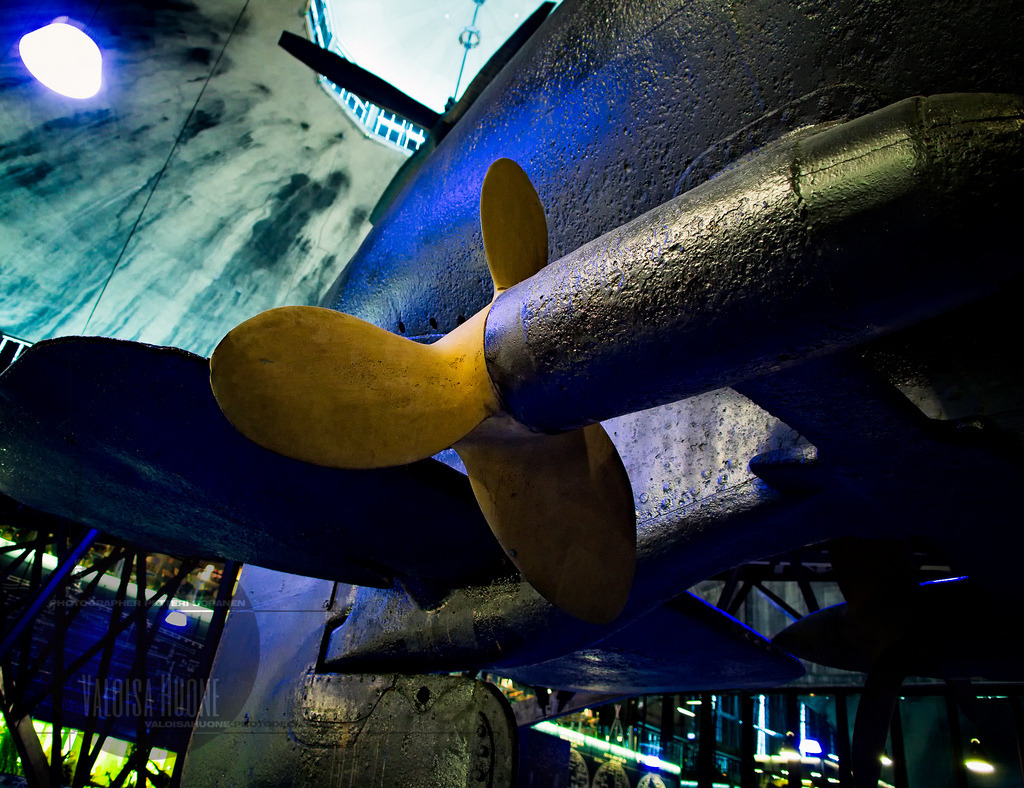
Propeller of Estonian submarine Lembit, which is now the main attraction at Lennusadam, Estonian Maritime Museum.

EML Lembit is one of two Kalev class mine-laying submarines built for the Republic of Estonia and served in Estonian and Soviet Navy. She was launched in 1936 at Vickers and Armstrongs Ltd. in Great Britain. Until she was hauled out 21 May 2011, Lembit was the oldest submarine still afloat in the world.

How do I edit? Part II

Previous post was a rant about how difficult it ist to get started with editing. Now I can proudly present neary 30 newly edited images on Valoisa Huone Stock Collection. So, during last week or so I’ve gotten over at least some barrier.

But still, shooting pictures is joyful. Post-production – well, it’s just work. And work it is.

My base software is and has been since it’s second generation Adobe Lightroom. At this moment I’m using version 4.4 and going through thinking process if updating it to five series is worth. LR like other modern post production software has quite advanced tools for processing large amounts of images.

I don’t use them.

Batch processing is useful for professional photographers who shoot huge amount of (often quite similar) photos per session and have to deliver huge amount of them to their cutomers. Then a kind of industialized approach is the only way to survive.

That’s not my case.

Firsty, I shoot quite sparingly compared to many colleagues. And then the editing itself – I see it as a art of handicraft. I process handpicked selections of images and I process individual images individually. Mass production of images just isn’t my business and it doesn’t suit to my mentality and philosophy of photogaphy.

And at this point I have to add word luckily. I know very well that if I were really dependent of photography economically, I might not be able to work my way, but instead build that assembly line of images that I don’t love so much. But at this moment I can afford my way and enjoy the luxury of doing things the way I want.

“How do I edit?

With great pain.“

Jay Maisel

I agree. I’ve got few hundred photos in Lightroom catalogue waiting. All the time, the gap between shot raw material and finished photos seems to be quite fixed.

What makes this a bit strange is that as mentioned in some earlier posts, I am photo editor. I make decisions what to use and what to not. Dozens of decisions, every day. And I make them fast, very often by first look. Of course I have to. It’s not a big deal, it’s my job.

But when it comes to my own photos then comes the pain. I might scroll the LR catalogue up and down, looking photos again and again. For hours, without really getting anything done.

I don’t know why, maybe killing your own babies is such a mental barrier? Even though I can be very tough if needed. And even though I actually find it very satisfying when I see the final result. But getting started…

Glam

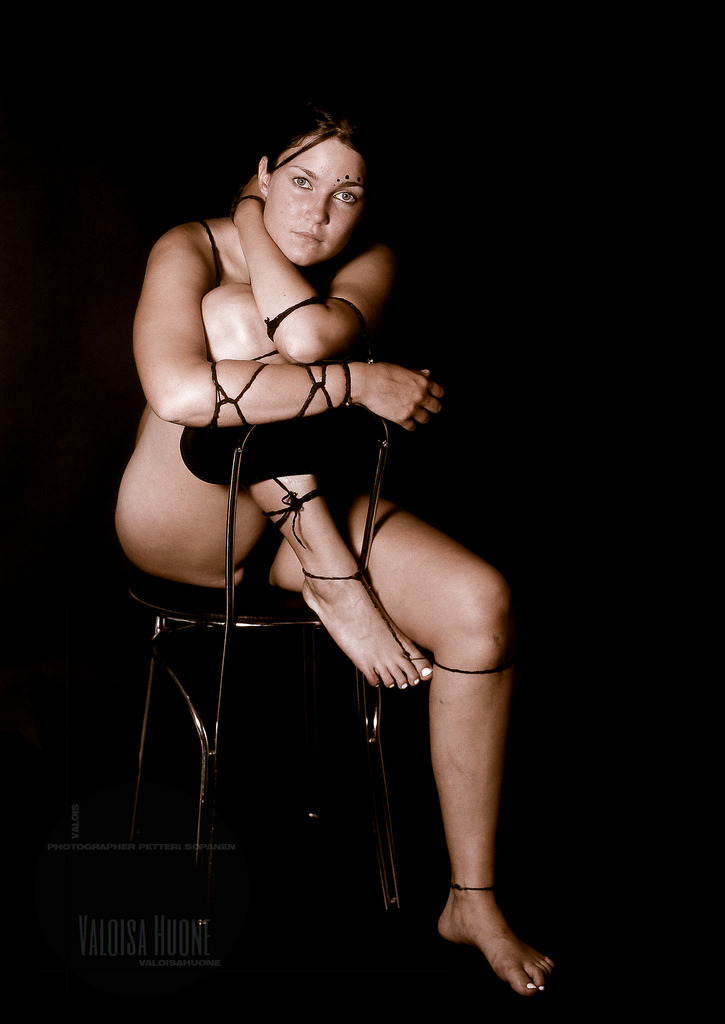
This dates back to late 1990´s when I for a while thought that it would be nice to be a glamour photographer working in a studio. I quickly noticed I was wrong.

I wasn’t good at all in working with models, directing, planning etc. and it soon became obvious to myself that documenting reality as it appeared in front of my lens was my thing – not creating that reality in front of my lens.

Nevertheless, some photos of that era still appear quite successful, I think.

life:

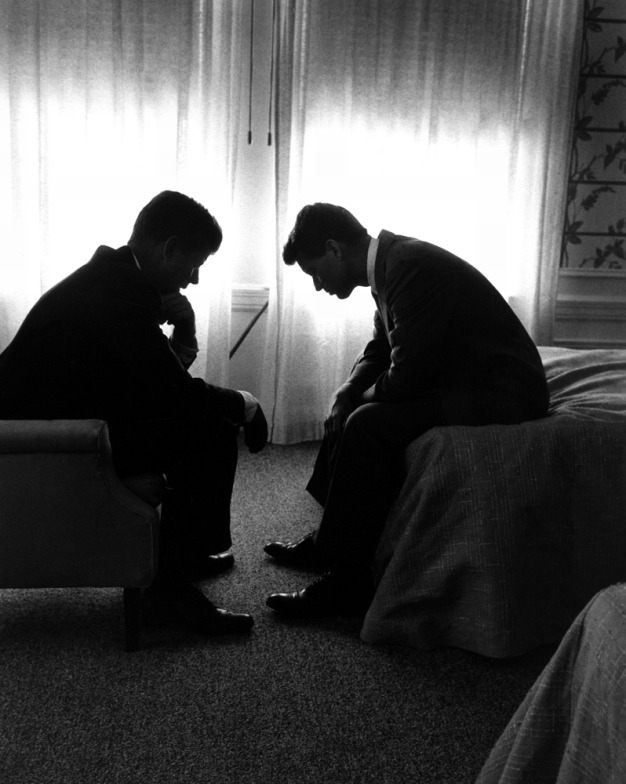
Jack and Bobby Kennedy, Los Angeles, 1960: Is this the greatest photo ever made of how politics really works?

Read the story on LIFE.com

(Photo: Hank Walker—Time & Life Pictures/Getty Images)

I have quite mixed feelings and thoughts about social media and this (inter)networked life in general.

But one thing I can give whole-hearted thumbs up, is Life Magazine opening it’s archives in internet.

Valoisa Huone – some progress…

I finally found time to do some updates I was talking about earlier. Valoisa Huone is now updated to a new theme and technology of PhotoDeck. Structure is unchanged, I just made slightly adjustments to pages to suit then on this new theme. Mostly quite easy.

Except my front page. Since the philosophy of interaction on pages changed it left the front page as a kind of black desert, specially on desktop computers with bigger displays. On iPad it looks tolerable, not good on it either.

So, this project is still in progress, I just have to gather few new ideas to finish it.

High Dynamic Range Imaging – progress 25%

…and what it has to do with photography. And what not.

These thoughts have been rising when reading book called The HDRI Handbook 2.0: High Dynamic Range Imaging for Photographers and CG Artists, written by Christian Bloch.

As a background information I must say, that since the first times I’ve seen HDR images I have mostly hated them, their so called artistic hdr-look. HDR has appeared as a trendy and fashionable trick that has spread ugly color casts over mediocre photographs.

On the other hand, HDR of course is only a technique, a mthod, and as such not good or bad itself, but can be used in different ways. So, despite my antipathy towards majority of HDR images I’ve seen, I’ve been quite interested about possibilities of HDR. So I picked up a book to learn more.

Feelings after reading one fourth of the book?

First, Bloch is quite thoroughgoing in his book. Technological issues, theoretical base of HDR, monitors, software etc. is introduced in-depth. And that’s good. But…

Second, as Bloch is going deep into technological things and stuff, it seems he has little to say about HDR from photographic (or even wider: visual) point of view. Very little. After reading fourth of the book, I must say that as a photographer I’m quite disappointed – I’ve gotten a feeling that this HDR-thing is mostly a hot thing for technologically oriented digital image makers.

Bloch makes this appearance even worse by picking examples of “HDR-artists”. In their interviews they (probably unintentionally) reveal their thin knowledge and education of photography and visual culture. If you are processing photographs to images with weird, unnatural, oversaturated colors and call that artistic expression and try to point similarities with classic genres of painting, you are missing the point and making a fool of yourself.

But, like I said one fourth read – I’m still looking forward, optimistic…